



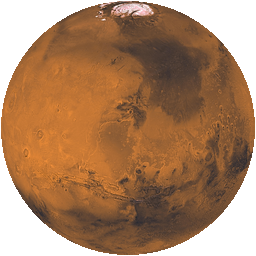
The red planet will not be opened by a landing. It will be opened by a working fuel plant — and the supply chain that keeps it alive.
I think the first human footprint on Mars happens on April 17, 2040. In this forecast, the crew leaves Earth orbit on October 11, 2039 and reaches Mars 189 days later. These are scenario dates, not a company schedule. The planet positions come from JPL Horizons. The route uses a standard calculation for a direct path between two planets1,2. One rule matters more than the date: the crew does not leave until a fueled return ship is already waiting on Mars.
- October 11, 2039: the crew Starship leaves Earth orbit for Mars. This is not its launch date from the ground.
- April 17, 2040: the ship reaches the Martian atmosphere and lands.
- 189 days in space: the route requires 20.99 km²/s² on the standard measure of departure energy; arrival speed relative to Mars is 4.74 km/s.
- NASA comparison: October 11, 2039 to July 9, 2040 — 272 days.
- Moon-first options: test systems near the Moon, assemble the ship there, or leave from the lunar surface. No credible date for a lunar-surface departure exists yet.
- What we cannot know yet: exact pad-launch dates or the precise UTC time of the first step.
That rule creates a fixed order: prove reuse, refill ships in orbit, land cargo on Mars, unload it, find water, start power and propellant production, and only then send people. Earth and Mars line up every 26 months for a launch window that lasts about eight weeks3. Miss it by a month and the next chance is 2.14 years away. A 90-day crossing is possible in the best windows4, but a faster flight does not remove any of the work that must happen first. Mars schedules do not slip by weeks. They jump by years.
SpaceX is the only program moving fast enough to set the near-term date. Government reviews place a government-led mission in the late 2030s at the earliest, with 2039 as the more realistic year5,6. NASA's inspector general is still documenting delays to the nearer lunar lander7. China is the other serious program. It plans a robotic Mars sample return this decade and talks about crewed missions in the 2030s or 2040s8, but it has not flown hardware for a human Mars mission at SpaceX's pace.
SpaceX has a different problem: its dates keep moving. It once promised cargo in 2022 and a crew in 20249. Its president now says, “Maybe 2040? 2035? 2040?”10. In February 2026, the company said the Moon would come first: an uncrewed lunar landing as early as 2027, followed by Mars work in 2031–203311,12. That uses the same early windows this forecast already rules out. Apply the return-propellant rule and allow two or three more windows than SpaceX announces. The result is a 2039 departure and a Mars landing the following spring13,14.
The last five years
The 2040 forecast is possible because the necessary pieces are being tested now. Progress is uneven, and several ships were lost in 2025, but the record is real. Since 2021:
- Source: SN15 — first full-scale Starship landingMay 2021 · SpaceXSN15 — first full-scale Starship landingThe ship climbed ten kilometers, fell on its side, flipped upright, restarted its engines, and landed intact. It was the first full-scale Starship to do so.
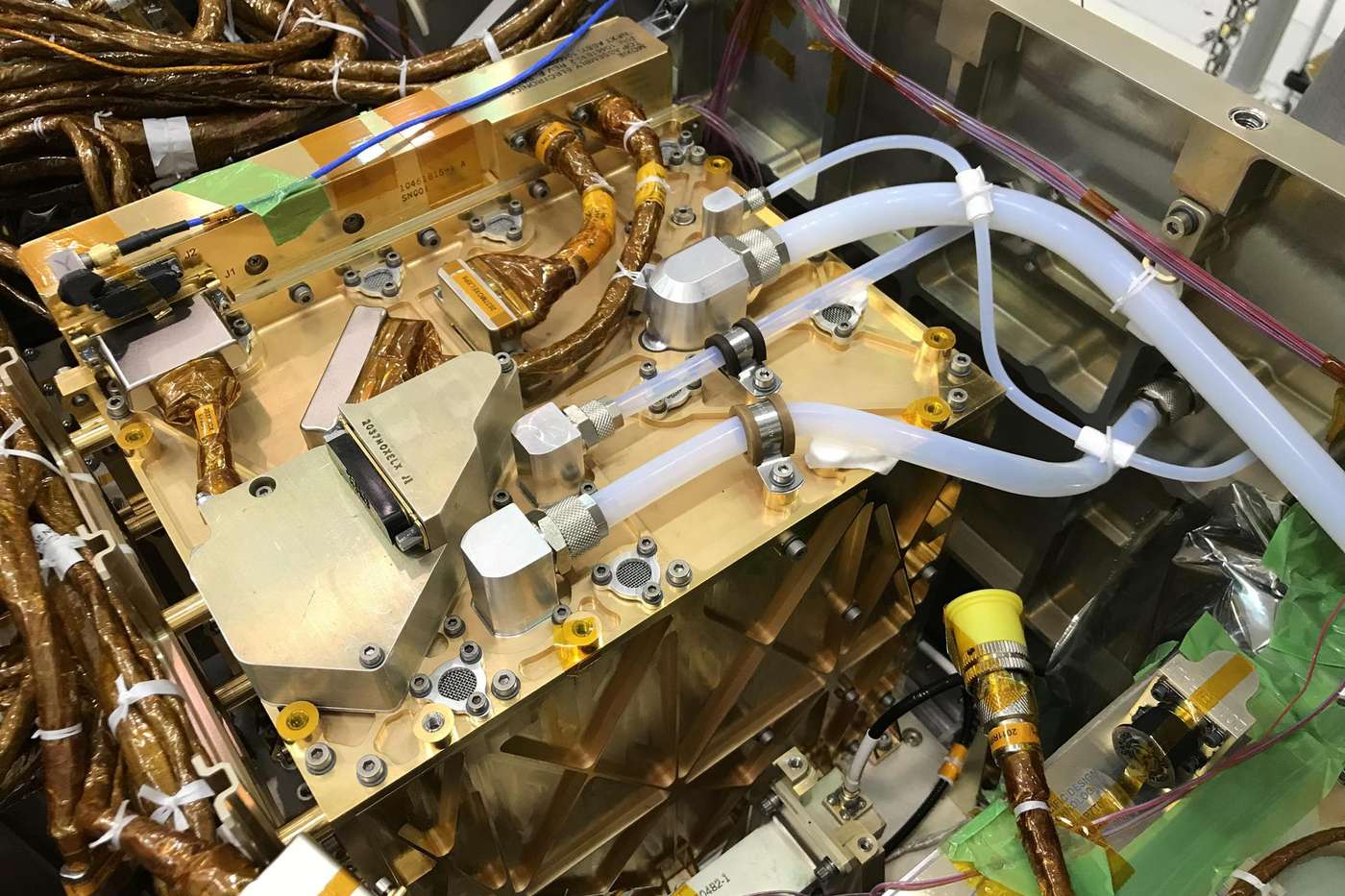
- Source: MOXIE makes oxygen on Mars2021 – 2023 · NASA/JPLMOXIE makes oxygen on MarsAcross 16 runs, Perseverance turned Martian carbon dioxide into oxygen. The output was only grams per hour, but the system worked through dust and cold nights.
- Source: Flight 3 — propellant moves in spaceMar 2024 · SpaceXFlight 3 — propellant moves in spaceStarship reached space and moved very cold liquid propellant between its own tanks. It was the first step toward refilling one ship from another in orbit.
- Source: Flight 4 — both stages come homeJun 2024 · SpaceXFlight 4 — both stages come homeThe booster made a soft landing in the Gulf, and the ship survived reentry before touching down in the ocean. Both stages showed they could return intact.
- Source: Flight 5 — Mechazilla catches the boosterOct 2024 · SpaceXFlight 5 — Mechazilla catches the boosterA 71-meter booster flew back to its own launch tower and was caught out of the air, on the first attempt.
- Source: Flight 6 — Raptor relights in spaceNov 2024 · SpaceXFlight 6 — Raptor relights in spaceA Raptor engine restarted in space. Future missions need that ability to leave orbit, change course near Mars, and land.
- Source: Flight 9 — a caught booster flies againMay 2025 · Space.comFlight 9 — a caught booster flies againA booster from Flight 7 was caught, refurbished, and flown again. The ship was lost during reentry, the third loss that spring, but booster reuse had become real.
- Source: SpaceX pivots — Moon first
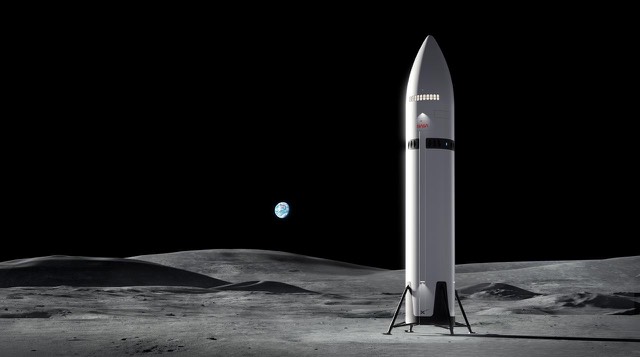 Feb 2026 · NASA/SpaceXSpaceX pivots — Moon firstSpaceX told investors that the Moon now comes first: an uncrewed lunar landing as early as 2027, with Mars city work moved to 2031–2033. This forecast uses that order.
These tests show that the mission is physically possible. They do not show that it is ready. A demonstration proves one step. A Mars mission needs every step to work together, repeatedly and on schedule.
Timeline
Mars launch windows open every 26 months. Each window must prove a new part of the mission. If a major test fails, the landing date moves to a later window.
The exact flight — 189 days
The exact scenario is simple: leave Earth orbit on October 11, 2039 and touch down on Mars on April 17, 2040, after 189 days. Engineers describe departure energy with a number called C3; this route requires 20.99 km²/s². The ship reaches Mars at 4.74 km/s relative to the planet. That makes the date physically possible, though not the only good option. The dates are this post's choice. The planet positions and route calculation can be reproduced; they are not a company commitment1.
October 11 is when the crew ship leaves Earth orbit for Mars, not when it launches from the ground. Tankers must launch first to fill it. The crew and any escort ships also need their own launches, but no such schedule exists yet. Giving each launch an exact date would pretend we know more than we do. The prediction covers the departure for Mars and the landing 189 days later.
NASA's current crewed reference also leaves on October 11, but arrives on July 9, 2040, after 272 days. It is designed around an 850-day round trip, a 50-Mars-day stay near the planet, a course correction in deep space, and capture into Mars orbit. SpaceX's published concept instead enters the atmosphere and lands directly2,15. This forecast uses that faster direct path, cutting 83 days from the outbound trip. NASA also lists a 17:09 local solar landing condition, but that is not a UTC touchdown time or the time of the first step.
Going to the Moon first changes which systems get tested; it does not shorten the distance to Mars. NASA plans to use Artemis to learn how to assemble and dock vehicles, handle very cold propellants, run autonomous systems, work on another surface, and support crews in deep space. Mars entry, long missions, and surface infrastructure still need separate work16. The base case is therefore simple: prove shared systems near the Moon, then send the Mars ship from Earth orbit. Launching from the lunar surface is not in this forecast. Without lunar propellant production, it adds another launch and another supply chain that no one operates today.
| Version | Transfer | Forecast effect |
|---|---|---|
| Exact bet | Oct. 11, 2039 → Apr. 17, 2040 · 189 days | Earth-origin Starship; direct Mars entry |
| Moon-first proving | Same 189-day Earth–Mars leg | Lunar flights test shared systems; date unchanged |
| Assembly near the Moon | Oct. 11, 2039 → July 9, 2040 · 272 days | NASA reference; assembly near the Moon and capture into Mars orbit |
| Lunar-surface departure | No date in this forecast | Needs lunar propellant production; likely moves the date later |
Now — the main tests are still unfinished
Every major test on this timeline is still unfinished. Starship reaches space, but it is not yet a routine transport. MOXIE made oxygen on Mars in gram quantities17,18. The best complete prototype for making methane and oxygen on Earth ran itself for five days and could make about a kilogram a day after optimization19. NASA still lists the storage, measurement, and transfer of those very cold liquids in space as open technology gaps20,21. We have mapped water ice from orbit but have never mined it. The late-2026 window will gather evidence, not send a Mars mission.
’28 — Reuse
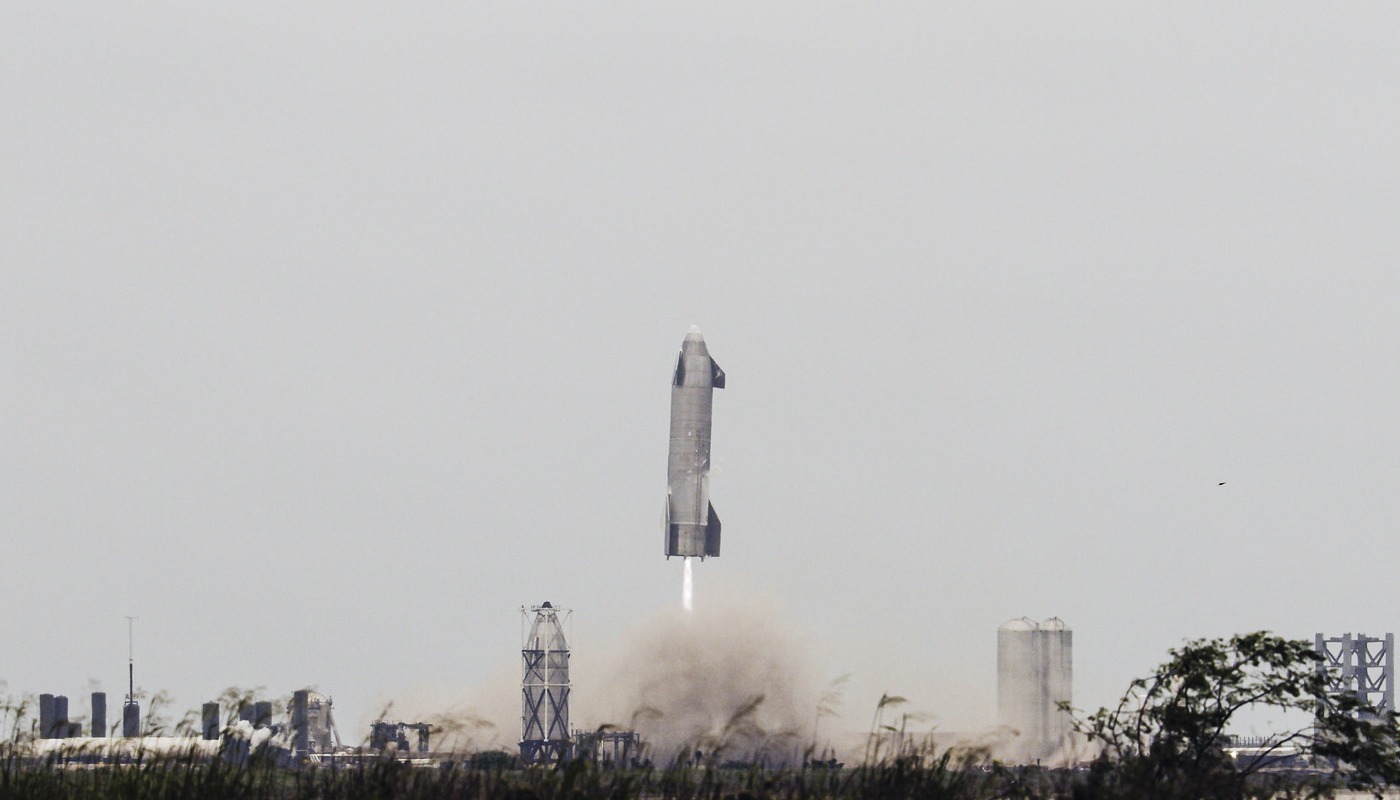
The first requirement is simple: Starship must fly often, land, and fly again. It must become a cargo vehicle, not remain a test vehicle22. Boosters have been caught and flown again, and ships have returned from space. What remains is routine operation: turnaround in days, another flight without a rebuild, and the same hardware surviving each mission.
One Mars departure requires many tanker launches. A five-ship cargo window multiplies that work by five, so launches must be separated by days rather than months. Routine reuse by 2028 keeps every later window possible. If reuse is still unreliable then, every later date moves back by one 26-month window.
’31 — Refill

A Mars-bound ship must leave Earth orbit with at least 1,200 tonnes of propellant, and newer vehicles may need more23. Each tanker carries only part of that amount. Filling one ship therefore takes eight to twelve dockings, and a five-ship cargo window needs five such campaigns in a row. Flight 3 moved propellant between tanks inside one vehicle. The next test is to move it between two ships and account for every kilogram lost to boiling, uncertain gauges, liquid motion, and cooling the hardware before transfer20,21.
One successful transfer is not enough. A receiving ship must be filled on demand, repeatedly, with the final amount verified. Without that working supply chain, the Mars fleet cannot be assembled in orbit.
’33 — First landing

Then Starship must land on Mars. The atmosphere is less than one percent as thick as Earth's. It is too thin to stop the ship, but thick enough to cause dangerous heating. Starship must finish by firing its engines while falling faster than sound, landing a vehicle about one hundred times heavier than anything previously landed on Mars. NASA calls entry and landing at this scale one of the mission's highest-risk phases, including the way engine exhaust strikes the surface24.
One landing is not enough. Later ships must land within about 50 meters of the habitat25. A failed attempt cannot be retried until the next window, 26 months later. One intact uncrewed Starship on Mars by 2033 keeps 2040 as the single most likely outcome. Losing ships during entry pushes the forecast toward 2042.
’35 — The cargo fleet
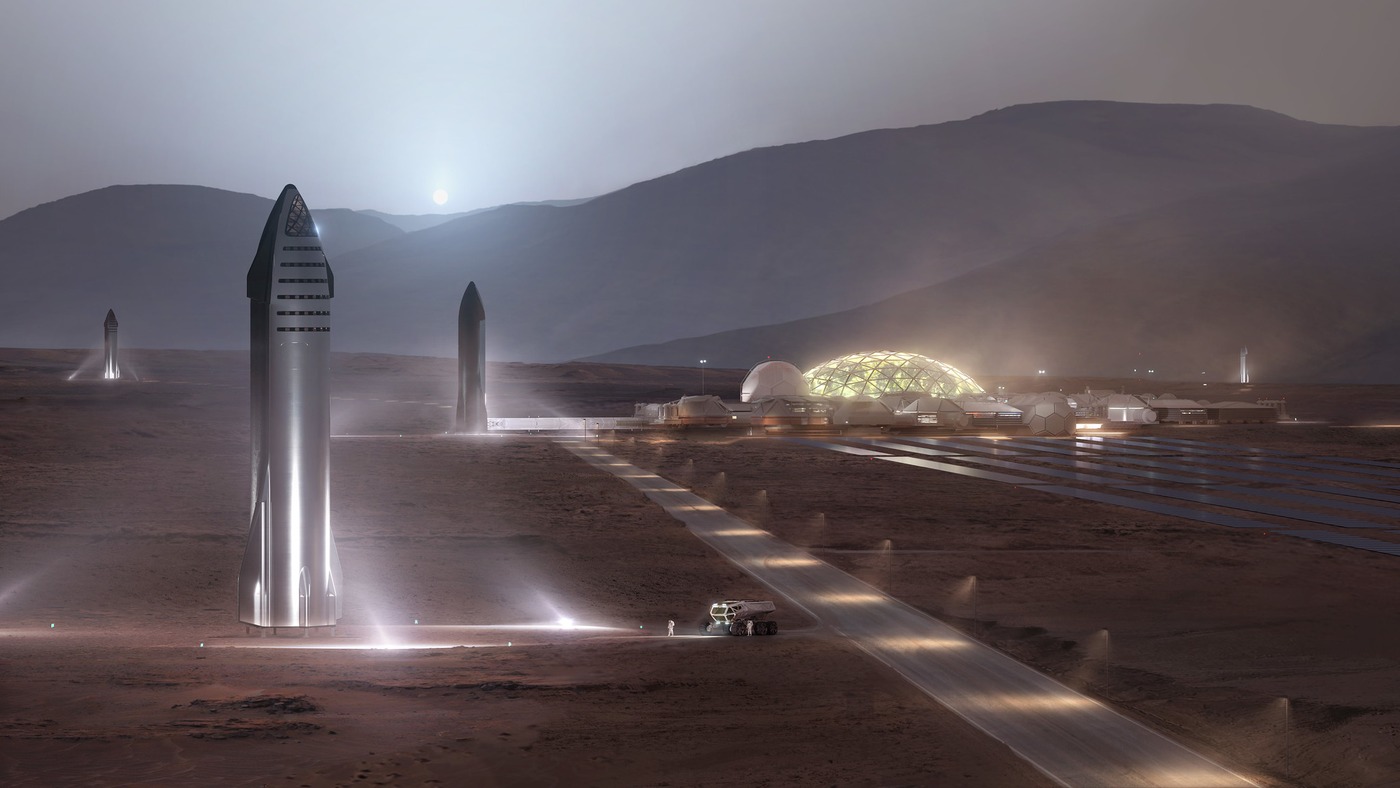
The safer order is cargo first and people later: five uncrewed ships, each testing a different part of the system26. One tests power, communications, surveys, and landing beacons. Another tests water. Orbital maps show ice near possible sites27,28, but mapping ice is not the same as mining it. Depth, purity, salt, and energy needs all matter29. The other ships test the fuel plant, tank farm, safe haven, and a possible return vehicle.
Other problems are easy to underestimate. Heavy cargo must come out of a tall ship without a crane crew30. Power must stay on through dust season, which is why NASA chose fission31. Communications must grow beyond today's science relay network32. The parts must also be close enough to work together. A fuel plant 20 kilometers from its power source is useless. The fleet must survive losses too. Losing one ship is acceptable only if the others can replace its functions. Losing two ends the campaign.
’37 — The tanks fill
The return ship needs about 1,200 tonnes of propellant: 960 tonnes of liquid oxygen and 240 tonnes of methane fuel. Oxygen is therefore about four-fifths of the total mass22. This is a planning assumption, not a measured requirement, because no public source gives Starship's empty mass. An independent analysis of the full mass budget treats these amounts as an open question33. Making the propellant on Mars requires about 540 tonnes of mined water and 660 tonnes of captured atmosphere. The plant must produce 2.5 tonnes a day, or three tonnes with margin, for about 480 days. MOXIE produced only grams an hour on Mars17. The best complete prototype on Earth is expected to reach one kilogram a day19. Even that is 2,500 times below the requirement. Plants at this scale exist only as design studies34. The propellant must also be liquefied, stored, measured, and transferred into a healthy return ship20.
There are two backup options. Oxygen is most of the mass and can be made from the atmosphere, which is why the system is “mostly an oxygen plant”35. Methane could be brought from Earth if water mining runs late. NASA also studied a Starship-class lander without surface fuel production and concluded that it would need a separate ascent vehicle36. Either option might save the mission, but not the date. Without propellant on Mars, Starship cannot come home.
A smaller version of this work is happening on Earth. Terraform Industries, founded by Casey Handmer, is testing refrigerator-sized machines in the Mojave. They capture carbon dioxide, split water with electricity, and turn the resulting hydrogen into methane37. The work can improve the chemistry and lower the cost. It does not prove that the machines can survive Martian dust or manage very cold fuel without people38.
’39 — Crew departs

The decision to launch must come from data, not an announcement. The return ship must already be full. Power must have enough margin for dust season. Propellant lost to boiling must stay within limits. The return ship must pass its health checks, and the surface system must recover from at least one failure without people there. The crew ship needs the same standard: life support that works for years without resupply, plus suits, spare parts, and a radiation plan. NASA's human-system standards are the best public guide to these requirements39. SpaceX still needs a launch license, a full return ship, and a crew willing to accept the remaining risk. A crew leaving on October 11, 2039 arrives on April 17, 2040. Without a full return ship, the crew does not leave and 2042 becomes the most likely date.
2040 — The Mars landing
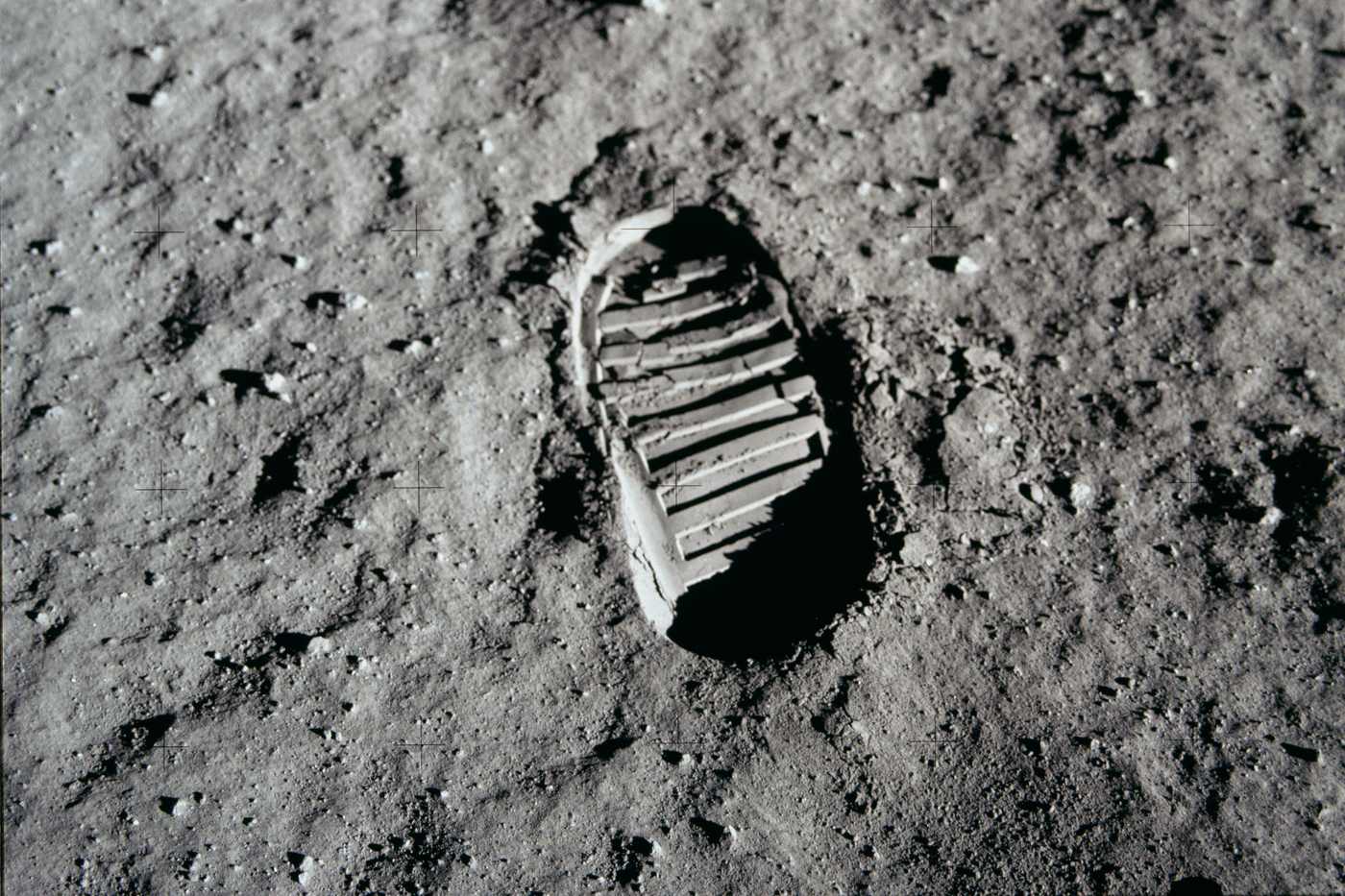
The direct flight reaches Mars on April 17 after 189 days. Here, “landing” means a living person leaves the ship and steps onto Martian ground. A flyby, orbit, or visit to Phobos does not count. This forecast does not invent an exact time for the first step because the landing site, entry target, vehicle shutdown process, and crew exit plan do not exist yet.
“Most likely” means the single most probable outcome, not a chance above 50 percent. Launch windows come every 26 months, so the realistic departure years are 2037, 2039, 2041, or 2043, followed by landings in 2038, 2040, 2042, or 2044. Almost nothing lands before 2038: the first uncrewed landing is a 2033 requirement, and no crew leaves until the return ship is full. Delays can stretch much longer because all six steps must happen in order and each can be retried only every 26 months. My estimate is about a 15% chance by 2039, 30% in 2040, 30% in 2042, and the rest in 2044 or later. Roughly one-fifth of the total falls after 2045 or on the possibility that the mission never happens this way.
The fleet math
Here is what the return-propellant rule means for logistics. This model assumes that each Starship can land about 100 tonnes on Mars. SpaceX says the vehicle can carry 100–150 tonnes to low Earth orbit22, and its published Mars plan assumes about 100 tonnes per cargo landing40. But that Mars figure is not proven. An independent mass analysis says the delivered mass remains an open question33, and faster trips carry less payload4.
Each Mars-bound ship must leave Earth orbit with at least 1,200 tonnes of propellant23. A tanker delivers roughly 100–150 tonnes, so filling one ship takes eight to twelve tanker launches, and possibly more as the ships grow26. The sourced minimum is five cargo ships to close the five major tests41. This model fills the 2033–2037 windows with cargo and test ships, landing close to 1,000 tonnes before any crew leaves Earth. That adds up to roughly 100–200 launches. This is why reuse comes first and launch rate controls the schedule.
| Window | Ships sent to Mars | Landed mass | Supporting launches |
|---|---|---|---|
| ’33 | 1–2 test landings | landing tests, little cargo | ~10–25 |
| ’35 | 5 cargo | ~500 t | ~45–65 |
| ’37 | 2–4 cargo | ~200–400 t | ~20–50 |
| ’39 | crew ship + escorts | crew, supplies, and margin | ~25–50 |
Ship counts after 2035 come from this post's model, not a source. The launch estimates use eight to twelve tankers for each Mars departure. If the fuel plant fails, return propellant must come from Earth. That would require about twelve more cargo landings. It is the cost of skipping local propellant production on Mars26. At the other end of the scale, a self-sustaining settlement would need about one million tonnes of cargo42. At 100 tonnes per landing, that is 10,000 landings. The first crewed landing would be the start of a freight system, not the end of exploration.
The bottlenecks, ranked
These bottlenecks are ranked by how much they control the date. A hard problem with a clear owner is different from one that no organization owns. A successful component test is also different from a complete working system. For each bottleneck, this section explains what must work, what has already been shown, how it could fail, who owns it, and how a delay would affect the date.
Make return propellant at full scale

The return ship needs 1,200 tonnes of liquid methane and oxygen. With a 20% production margin, the plant must make about 1,440 tonnes: three tonnes every day for 480 days26. The chemistry is well understood. Running an industrial plant by itself on Mars is not. MOXIE is the only flight-tested example, and it produced oxygen at grams per hour17. The best complete prototype on Earth ran itself for five days. Its expected output after optimization is one kilogram per day on 700 watts19. The Mars plant must produce 2,500 times more before margin and 3,000 times more with it. Kiloton-scale designs exist only as engineering studies34.
Making the propellant is only the first step. It must also be liquefied, kept cold enough to limit boiling, measured accurately, and transferred into a working return vehicle20. Possible failures include poisoned catalysts, reactor hot spots, the wrong mix of hydrogen, contaminated methane, and broken temperature control26. If water production is late, an oxygen-only plant could still support the mission by importing 240 tonnes of methane. That fallback would delay the date35.
Land Starship on Mars
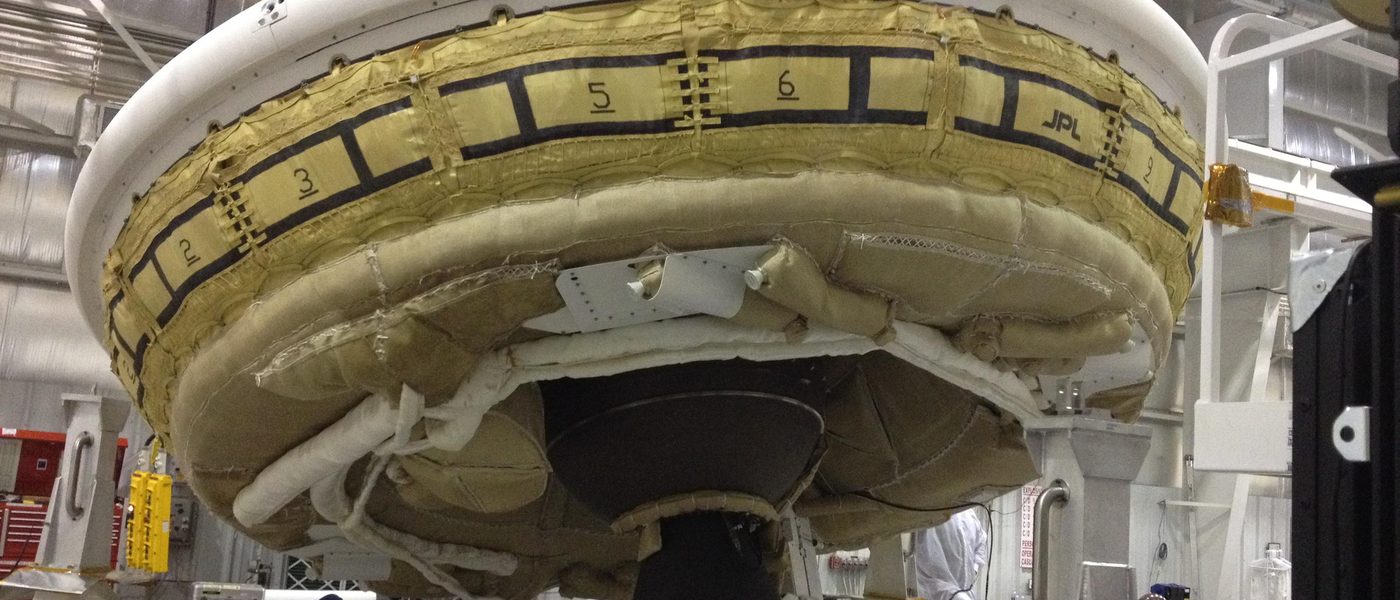
The heaviest object ever landed on Mars weighed about one tonne. Starship would arrive at more than 100 tonnes. Mars' atmosphere is too thin for parachutes to slow it enough, but thick enough to create intense heating. Starship must finish the descent by firing its engines while moving faster than sound. No one has tried that at this scale on Mars24. The engine exhaust can dig into the surface, throw debris, and block visibility24. Failure could come from a burned heat shield, loss of control, an engine that does not relight, collapsed landing gear, or debris damage26.
At least two cargo ships must land intact, with their entry loads measured. They must also land within about 50 meters of their targets so the fleet can gather around the habitat and fuel plant25. This cannot be fully tested on Earth. A failed Mars test can cost 26 months.
Refill several ships in orbit
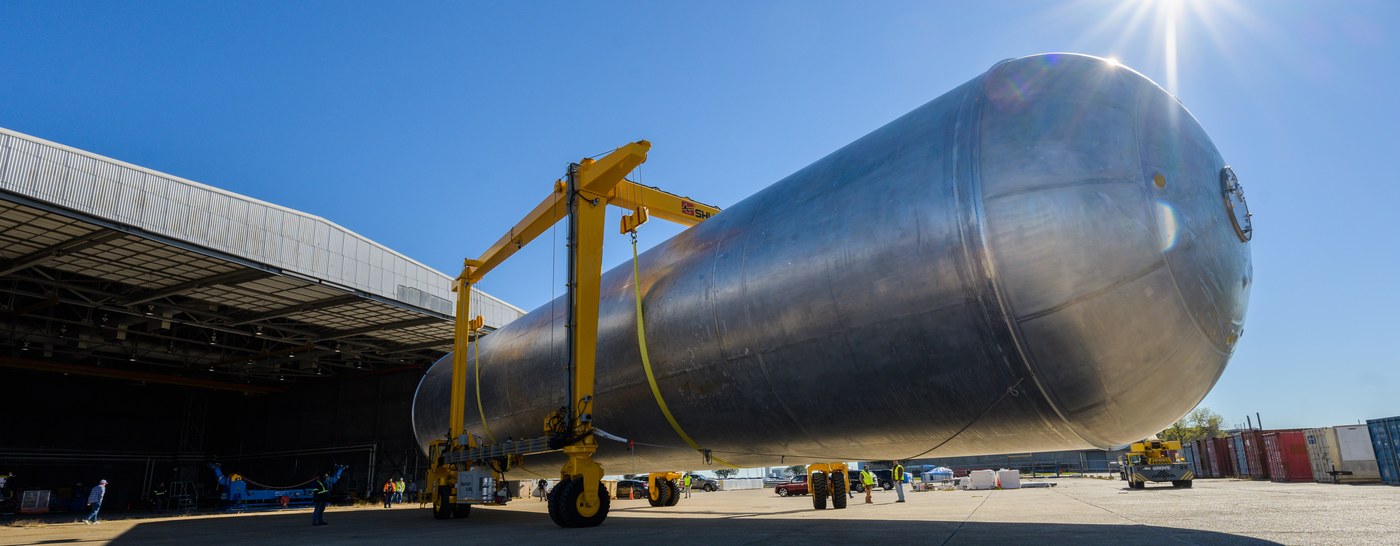
One Mars-bound ship needs roughly 1,200 tonnes of propellant in Earth orbit23. Each tanker carries only part of that, so a five-ship cargo window requires dozens of tanker launches. The full campaign must measure how much propellant moves, how much remains, how much boils away, the loads during docking, any leaks, and whether the receiving ship is truly full26.
Liquid oxygen and methane must stay extremely cold or they boil away. Storage with little or no loss, accurate tank gauges, and automatic connections remain on NASA's list of open technology gaps20,21. Flight 3 moved propellant between two tanks inside one vehicle. No ship-to-ship transfer has flown. That was a first step, not proof of a working supply chain.
Mine water and unload cargo

The fuel plant needs 1.35 tonnes of water each day to meet its target26. Orbital maps point to ice near possible landing sites27,28. But they do not show its depth or purity, how much salt and covering material is present, or how much energy and drill wear mining will require29. Finding ice is not the same as running a mine that delivers clean water for months after the equipment survives a Mars landing41.
The second unsolved surface job is unloading the ships. About 100 tonnes of power equipment, fuel-plant modules, rovers, and spare parts must come out of a cargo bay 30 meters above the ground, in dust, with no crane crew30. Robots must connect cables and hoses, clean equipment, replace filters, and recover when they get stuck, all without real-time control from Earth26. Neither large-scale water mining nor autonomous unloading has flight experience. Both must work before the crew leaves Earth.
Keep surface power running
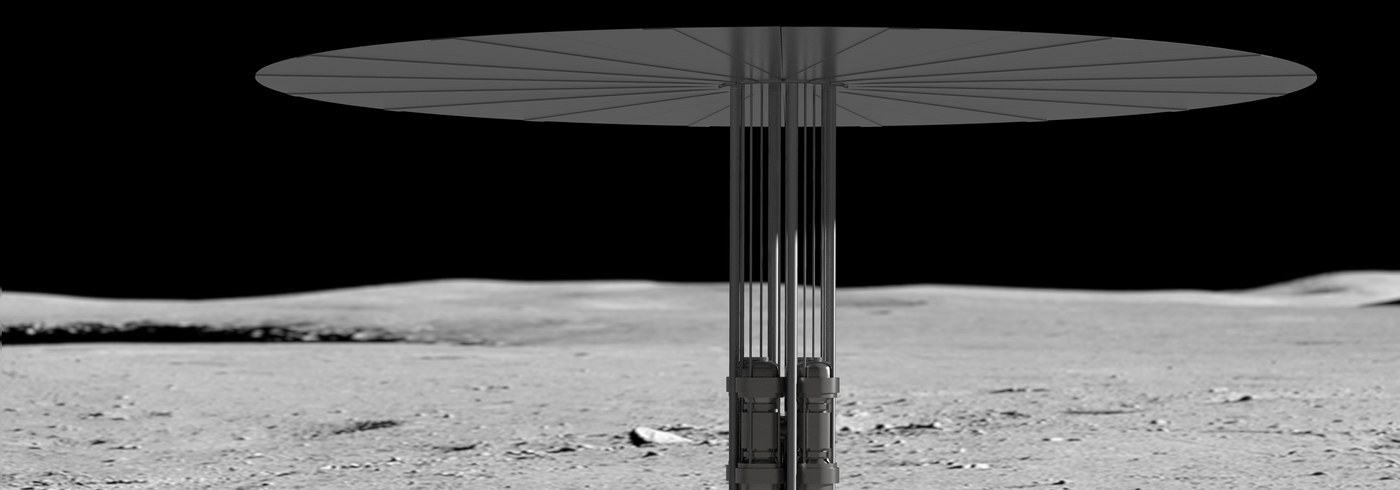
Every surface system depends on power: the fuel plant, the cooling equipment that keeps propellant cold, the habitat, and communications. Together they need hundreds of kilowatts to more than a megawatt. Dust storms can reduce solar output for weeks, which is why NASA's 2024 architecture review chose fission as the main power source for a crewed Mars mission31. Failures could include dust cutting output, damaged cables, clogged radiators, frozen batteries, a reactor that does not start, or a fault in the shared power system26.
Power must be the first surface system to work. The first cargo ship lands power and communications equipment before anything else starts. The target is an initial 100 kilowatts and 90 Mars days of stable operation before the water ship commits to the trip26. SpaceX's Mars images show large solar fields. Cheap cargo makes those arrays easier to send, but dust storms still make them risky.
Keep the crew alive

A Mars round trip lasts about 1,000 days. That includes two 180–260-day flights and a 450–550-day stay on Mars. The crew could include four to twelve people, with no resupply after departure and no rescue after the burn that sends the ship to Mars43. The first requirement is the system that provides air and water. The ISS has the best life-support record available. It recovers about 93–94% of its water, or 98% with the new brine processor, and recycles only part of its oxygen44. Over 1,000 days, the unrecovered losses add up to roughly one to eight tonnes of replacement water and two to ten tonnes of oxygen. Food adds seven to twenty-two tonnes before packaging. The reliability record is less complete than it appears. There is no public breakdown of failure rates, crew repair time, and spare parts for each ISS unit, and NASA's own work identifies that gap45. The ISS could receive replacement parts after a serious failure. Mars cannot.
The radiation risk has been measured in space. MSL's RAD instrument recorded about 1.84 millisieverts per day during the flight to Mars46 and 0.64 per day on the surface47. A mission with 180 days outbound, 500 days on Mars, and 180 days home would total about 980 millisieverts. Every profile in this range exceeds NASA's 600-millisievert career limit. NASA's model estimated a 4–10% lifetime risk of fatal cancer for a 900-day mission, compared with a standard based on 3%48. More shielding helps only to a point because cosmic rays can strike it and create secondary radiation49. The practical answer is a hydrogen-rich shelter for solar storms. It cannot remove the remaining exposure.
The surface stay also demands far more from the suits. One outing a week over 500 days is about 71 outings. Going out every third day makes 167. With two crew members each time, the mission needs roughly 140 to 330 uses. Apollo 17's suit seals and bearings showed clear wear after only three43. The current American suit program is built for the Moon and already has schedule risk50. Mars adds corrosive dust, a carbon-dioxide atmosphere, and lower gravity.
Medical care must also work without quick help from Earth. The crew must handle injuries, kidney stones, appendicitis, and other serious problems with an 8-to-48-minute round-trip communication delay. Drugs must remain useful for three years, longer than they usually last on the ISS43. We also have no human health data at Mars gravity, which is 38% of Earth's. Current evidence comes from six-to-twelve-month stays in weightlessness with two hours of exercise each day. We do not know how well that prepares a crew to land and work on Mars.
Food was studied separately51. The oldest meal may be 60 months old: packed up to two years before departure and eaten up to three years later. NASA's current packaged food loses acceptable quality and nutrition after two to three years, far short of the five-year need52. Vitamin C and thiamine fail first. Total mass is less difficult. At 1.8 kilograms per person each day, food for 1,000 days and four to twelve people weighs seven to twenty-two tonnes53. That is heavy, but Starship can carry it.
The harder problem is keeping the crew eating. In mission simulations, food waste ranges from 20% to 80%54. Even a 10% calorie deficit over 1,000 days could cost a crew member tens of kilograms of body mass. Growing crops will not supply most calories. The ISS salad system produces about one kilocalorie per square meter each day, so feeding one person would take about 2,700 square meters55. Early crops can improve morale and nutrition, but they cannot replace stored food. Sending food on the 2035 cargo ships makes the shelf-life problem worse. No one has yet qualified a ration that lasts 60 months.
Existing crew-safety rules do not fit this mission well. Commercial Crew certified Dragon to roughly a 1-in-270 loss-of-crew target for a 210-day mission, with launch aborts and a rescue option56. A Mars Starship has no abort after leaving Earth orbit and no rescue. The same vehicle is the home, clinic, radiation shelter, lander, and ride back. NASA's human-system standards are the best public guide to the requirements39. But a private crew legally needs FAA approval and informed consent under 14 CFR Part 460. That process approves the paperwork, not the safety of a thousand-day mission57. SpaceX ultimately makes the decision.
One test would change this forecast: run a Starship-class system for more than 900 days in low Earth orbit or near the Moon. It should use closed life-support loops, limited spare parts, radiation-shelter drills, delayed communications, and public reporting of failures. If that test flies by 2037, there is a 75% chance the human systems do not block a 2039 departure. If nothing flies by 2035, a delay beyond 2042 becomes the single most likely outcome. This forecast currently gives a 25% chance of no delay, a 45% chance of one missed window, and a 30% chance that human systems delay the mission beyond 204243. The missing proof is not one better part. It is a long reliability record without resupply. That record does not exist anywhere.
Two results would change the forecast most. It moves earlier if two cargo ships land together in 2035, unload themselves, connect backup power and fuel lines, and start making return propellant on schedule. It moves beyond 2042 if the return ship does not have usable propellant — liquid, cold, measured, and ready to load — before the crew must leave Earth26.
My bet remains April 17, 2040. The ship leaves Earth orbit on October 11, 2039 and reaches Mars 189 days later. This is the single most likely date, but it is not more likely than all other dates combined. I choose it because this is the first Earth–Mars window in which the entire chain could plausibly be ready. A delay to 2042 is also likely, and later outcomes extend beyond 2045.
If the return ship is full in time, the crew can go. If it is not, the crew stays on Earth. The first footprint will make the headline, but the fuel plant will have made it possible. This countdown is a forecast, not a schedule. Mars becomes reachable when the crew can also come home.
References
This article was researched with researcher.now and persona.energy. The research runs and editing sessions are listed first, followed by every cited source.
Research runs — researcher.now
Persona sessions — persona.energy · AI personas, not the individuals
 Paul GrahamAI persona
 Fred WilsonAI persona
 StratecheryAI persona
 Casey HandmerAI personaCasey HandmerAI persona
 Elon MuskAI persona
Sources — numbered as cited; hover or tap any marker in the text
- JPL Horizons API and ephemeris systemJPL · model inputThis post’s trajectory calculation: DE441 heliocentric states and a zero-revolution prograde Lambert transfer. October 11, 2039 to April 17, 2040 is 189 days; Earth-departure C3 20.99 km²/s²; Mars-arrival v∞ 4.74 km/s.
- Reference Trajectories for Human Missions to MarsNASA · AAS 24-128NASA’s current 2039 high-thrust reference: October 11, 2039 Earth departure, July 9, 2040 Mars arrival, 272 outbound days; 850-day round trip, 50-sol Mars-vicinity stay, and cislunar aggregation.
- Interplanetary Mission Design Handbook: Earth-to-Mars Opportunities 2026–2045NASAThe porkchop-plot handbook: every Earth–Mars transfer opportunity from 2026 to 2045.
- 3 months transit time to Mars for human missions using SpaceX StarshipPeer-reviewedScientific Reports: 90–104-day crossings feasible for the 2033/2035 opportunities under aggressive refueling and entry assumptions.
- Evaluation of a Human Mission to Mars by 2033Policy studyThe congressionally directed IDA/STPI assessment: a 2033 Mars orbital mission was infeasible; 2037 the earliest possible opportunity, 2039 the realistic one.
- Space Nuclear Propulsion for Human Mars ExplorationNat. AcademiesThe consensus study whose reference mission baselines a 2039 crewed Mars launch.
- Artemis lander program faces schedule delays and unmitigated crew safety risksNASA OIGThe inspector general on the much nearer lunar Starship: slips and open crew-safety risks.
- Tianwen-3: China’s Mars sample return missionPressChina’s robotic Mars program — Tianwen-3 sample return ~2028–2031 — with aspirational crewed-Mars dates in the 2030s–2040s; no fielded human-Mars hardware yet.
- Mars | SpaceX (2019, archived)ArchivedThe official page still promising cargo in 2022 and crew in 2024 — the base rate for company dates.
- Gwynne Shotwell with Morgan Brennan — CNBC transcript, June 2026InterviewAsked when people walk on Mars: “I'm so bad at predicting timelines. Maybe 2040? 2035? 2040?”
- SpaceX delays Mars plans in favor of the MoonPressThe February 2026 pivot: uncrewed lunar landing as early as 2027, Mars city work pushed ~5–7 years — “the Moon is faster.”
- SpaceX’s Moon-first pivot and Mars timingResearch run88-source researcher.now run: the pivot consumes one to two Mars windows — and lands on 2040 as its own base case. Run a877dc12.
- Forecasting first human Mars footfall dateResearch run154-source researcher.now run; modal date February 22, 2038. Run e6a0df9b.
- Return-propellant critique — run source auditRun chatThe critique held directionally, but no source in the corpus quantified the return-propellant requirement. Session ed124a68.
- Starship on MarsSpaceXThe vehicle concept used by this forecast: a refueled Starship leaves Earth orbit, enters the Martian atmosphere, and lands directly rather than first capturing into Mars orbit.
- Why Moon and Mars? Building an Evolutionary ArchitectureNASA · 2025 architectureNASA’s Moon-to-Mars case: Artemis builds shared operational skill and enables parallel Mars development, while Mars transport, EDL, duration, autonomy, and surface systems retain destination-specific gaps.
- MOXIE completes Mars missionNASASixteen oxygen-making runs from Martian CO2 aboard Perseverance — grams per hour.
- Mars Oxygen ISRU Experiment (MOXIE) — preparing for human Mars explorationPeer-reviewedHecht et al., Science Advances: the flight results and the scale-up argument.
- Integrated Mars In Situ Propellant Production SystemPeer-reviewedThe Pioneer Astronautics prototype: five days of fully autonomous operation demonstrated; 1 kg/day on 700 W is the paper’s projection for an optimized system, with 18:1 mass leverage over imported feedstock.
- Cryogenic Fluid Management Portfolio Project (CFMPP)NASA GlennZero-boiloff storage, gauging, liquefaction, and transfer named as open technology gaps NASA is still funding to close.
- Cryogenic propellant management in space: open challenges and perspectivesPeer-reviewednpj Microgravity review of unresolved boiloff, settling, transfer, and gauging problems.
- Starship — vehicle overviewSpaceXPrimary vehicle page: full reuse, ~1,600 t propellant load, 100+ t payload class.
- NASA lays out how SpaceX will refuel Starships in low-Earth orbitPress“A fully fueled Starship contains roughly 1,200 metric tons” — the load the return requirement assumes.
- Mars Entry, Descent, and Landing — architecture white paperNASACalls human-scale Mars EDL one of the highest-risk phases of a crewed mission; plume-surface interaction and landing-near-assets included.
- Integrated Precision Landing Performance Results for a Human-Scale Mars Landing SystemAIAA“Landing precision of 50 m to ensure logistics are located near the habitat.”
- SpaceX Starship Mars first-footfall technical bottlenecksResearch run100-source researcher.now run; the ten gates, the five-ship campaign, and the decision table. Run d543a797.
- Accessible ice beneath Mars' surface near proposed landing sitesUSGSAstrogeology Science Center: shallow ice mapped near candidate human landing sites.
- Subsurface Water Ice Mapping (SWIM) on MarsChapterPutzig & Morgan et al.: the orbital-evidence synthesis behind the ice maps.
- Mars Water In-Situ Resource Utilization (M-WIP) StudyNASA studyThe water-mining trade study: depth, purity, overburden, and energy all get a vote.
- The Space Truck: Unloading Challenges of the SpaceX StarshipConferenceICES paper: vehicle stability, crane design, payload packing, and large-volume utilization all unresolved for Mars offload.
- Mars Surface Power Technology DecisionNASA2024 Architecture Concept Review: fission selected as the primary surface power technology for crewed Mars missions.
- The Mars Relay Network Participation GuideJPLThe operational relay network — built for science-mission data rates, not human surface operations.
- About feasibility of SpaceX's human exploration Mars mission scenario with StarshipPeer-reviewedIndependent mass-closure analysis; treats exactly these vehicle masses as the open question.
- Kiloton Class ISRU Systems for LO2/LCH4 Propellant Production on the Mars SurfaceNASA GlennThe Compass-team design study for plant-scale production — engineering estimates, not hardware.
- Elon Musk persona — Mars forecast reviewPersona sessionForced modal date April 17, 2039; ISRU as mostly an oxygen plant; robots as the first construction crew. Session b0e32616.
- A Crew and Logistics Lander for the Common Habitat ArchitectureNASAThe trade that assumed no surface propellant production — and concluded a separable ascent stage was required.
- The Magical Methane MachineCore MemoryBrendan Borrell on Terraform Industries: an 895°C calciner, 99.9% hydrogen, and the economics of synthetic methane.
- Casey Handmer persona — Terraform Industries / Mars refueling relationPersona sessionTerraform weighted as technology adjacency, not mission readiness: “mostly done on Earth” first. Session 630eb144.
- NASA-STD-3001 Vol. 2 Rev. D — Human Factors, Habitability, and Environmental HealthStandardThe binding human-system standard that closes off certification shortcuts on any NASA-touched path.
- Mission Architecture Using the SpaceX Starship Vehicle to Enable a Sustained Human Presence on MarsPeer-reviewedThe published Starship Mars architecture: roughly 100 tonnes delivered per cargo Starship landing.
- Casey Handmer persona — Mars forecast and return stack reviewPersona sessionRevised the mode to a 2039 departure and April 17, 2040 arrival; water as the trapdoor. Session 55fb8e48.
- Elon Musk says building the first sustainable city on Mars will take 1,000 Starships and 20 yearsPressThe long-standing Musk estimate, repeated since 2019: on the order of a million tonnes of cargo landed before the city is self-sustaining.
- The human stack for a first crewed Mars missionResearch runDedicated researcher.now run: quantified ECLSS, radiation, suit, medical, and crew-rating evidence for a ~1,000-day no-resupply mission. Run 9a5bada4.
- Status of ISS Water Management and Recovery (ICES 2024-317)NASAThe canonical closure numbers: ~93–94% water recovery, ~98% with the brine processor; UPA at 75–85%.
- More Data Needed for Failure Rate Estimation, Validation, and Uncertainty ReductionConferenceThe supportability gap stated plainly: no public ISS failure-rate/spares record fit for Mars reliability models.
- Charged particle spectra measured during the transit to Mars (MSL/RAD)Peer-reviewedThe measured interplanetary dose rate: ~1.84 mSv/day inside the cruise stage.
- Radiation environment for future human exploration on the surface of MarsPeer-reviewedCuriosity-era surface dose: ~0.64 mSv/day under Mars’ thin atmosphere.
- Mars Mission and Space Radiation Risks OverviewNASANASA’s own model: a 900-day Mars mission at ~4–10% radiation-induced fatal-cancer risk vs the old 3% standard.
- Beating 1 Sievert: Optimal Radiation Shielding of Astronauts on a Mission to MarsPeer-reviewedWhy passive GCR shielding hits diminishing returns near ~1 Sv: secondary particle production.
- NASA’s Acquisition of Next-Generation Spacesuit Services (IG-26-006)NASA OIGThe suit line’s documented schedule and acquisition risk — before any Mars requirement is added.
- Food for a first crewed Mars missionResearch run48-source researcher.now run on the food system: shelf life, mass, intake, crops. Run 6ea4dd07.
- Extension of Space Food Shelf Life Through Hurdle ApproachNASAPackaged space food degrades to unacceptable quality and nutrition in 2–3 years; a Mars profile needs 5.
- Astronaut Mass Balance for Long Duration MissionsNASAThe 1.8 kg/person/day as-packaged food planning constant.
- Advanced Food Technology — HRP evidence reportNASAThe documented under-eating problem: analog food waste runs 20–80%.
- Pick-and-eat space crop production flight testing on the ISSPeer-reviewedVeggie flight results — salad scale: roughly one kilocalorie per square meter per day.
- Commercial Crew Transportation System Certification RequirementsNASAThe Dragon precedent: ~1-in-270 loss-of-crew target for a 210-day mission — with aborts and rescue.
- 14 CFR Part 460 — Human Space Flight RequirementsRegulationThe actual legal gate for a private crew: licensing plus informed consent — it certifies paperwork, not survival.